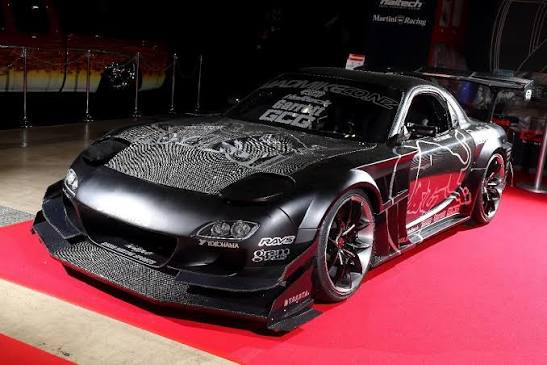
Custom bodykits are an excellent way to transform a vehicle’s appearance and express personal style. Whether someone prefers a sporty look, an elegant design, or an aggressive street-inspired appearance, the right bodykit can make an ordinary car look distinctive. With a wide range of materials, shapes, colors, and accessories available, car owners can create a design that reflects their personality while maintaining practicality.
Customizing a vehicle involves more than simply adding new exterior parts. It requires careful planning, attention to detail, and an understanding of how different components work together. From redesigned bumpers to stylish side skirts, every modification can contribute to the overall appearance of a car. Exploring creative bodykit ideas can help drivers make informed decisions and achieve a unique result.
Understanding Custom Bodykits
A bodykit is a collection of exterior components designed to change a vehicle’s appearance or influence its aerodynamic characteristics. Common components include front bumpers, rear bumpers, side skirts, spoilers, diffusers, and fender extensions. These parts can be installed individually or combined into a complete design.
Custom bodykits differ from standard aftermarket kits because they offer greater opportunities for personalization. Some vehicle owners select ready-made components and combine them creatively, while others choose professionally designed parts that suit their specific vehicle model.
The main objective is to create a balanced appearance without compromising essential functions. A successful modification should complement the car’s original design, fit properly, and remain suitable for everyday driving conditions.
Creative Bodykit Ideas for a Unique Appearance
1. Create a Sporty Front-End Design
The front bumper is one of the most noticeable parts of any vehicle. Replacing the original bumper with a sporty design can immediately change the car’s overall appearance.
Front bumpers with larger air openings, sculpted edges, and carefully integrated lower lips can create a performance-inspired look. Drivers who prefer subtle customization may choose a simple bumper extension rather than replacing the entire component.
Color coordination is equally important. A body-colored bumper can create a seamless appearance, while contrasting trim may add visual interest. Before selecting a design, owners should confirm that the new component fits correctly and does not obstruct lights, sensors, or other essential equipment.
2. Add Stylish Side Skirts
Side skirts connect the visual design of the front and rear bumpers. They can make a vehicle appear lower and create a more unified exterior profile.
Simple side skirts are suitable for drivers who want a clean, understated appearance. More sculpted versions can provide a stronger motorsport-inspired effect. Gloss-black finishes, carbon-fiber-style surfaces, and body-colored designs offer different customization possibilities.
When choosing side skirts, ground clearance should remain a priority. Extremely low components may scrape against speed bumps, steep driveways, and uneven roads. Selecting a practical design helps maintain the vehicle’s usability while improving its appearance.
3. Install a Distinctive Rear Diffuser
A rear diffuser can give the lower section of a vehicle a more technical and performance-oriented appearance. Its fins, contours, and surface details create visual depth around the rear bumper.
For a coordinated design, the diffuser can match the finish of the side skirts or front splitter. Some drivers prefer a dark diffuser against a lighter body color, while others choose a matching finish for a more integrated look.
It is important to understand that a diffuser’s visual appearance does not automatically guarantee aerodynamic improvements. Actual performance depends on its design, installation, and interaction with the vehicle’s airflow.
4. Choose a Custom Spoiler
A spoiler can become a defining feature of a customized car. Small lip spoilers offer a subtle enhancement, while larger designs create a more noticeable sporty appearance.
The best option depends on the vehicle’s shape and the owner’s preferences. A compact spoiler often complements sedans and everyday hatchbacks, whereas a more prominent design may suit a motorsport-inspired project.
Proper installation is essential because poorly fitted spoilers can cause damage or create safety concerns. Owners should select compatible products and seek professional assistance when necessary.
5. Experiment With Contrasting Colors
Color combinations provide an effective way to personalize bodykits without making the design unnecessarily complicated. A vehicle with a white exterior, for example, may look distinctive with black side skirts and a matching rear diffuser.
Other combinations include silver with dark gray accents, blue with black trim, or red with carefully selected gloss-black components. Drivers who prefer a more coordinated appearance can paint all bodykit components to match the original vehicle color.
Vinyl wraps are another option for introducing contrasting finishes. They allow owners to explore different styles without committing to permanent paint changes. The key is to use a limited, consistent color palette that supports the vehicle’s overall design.
Explore Different Bodykit Styles
Minimalist Customization
Minimalist bodykits focus on small changes that improve the vehicle’s appearance without overwhelming its original shape. Subtle bumper lips, discreet side skirts, and compact rear spoilers are common choices.
This approach works well for drivers who use their cars daily and want an upgraded appearance that remains appropriate for different settings. It can also be easier to maintain than a design with numerous protruding components.
Aggressive Street-Inspired Designs
Aggressive bodykits feature angular bumpers, wider-looking fenders, prominent side skirts, and bold rear styling. These elements create a dramatic visual identity.
To maintain balance, the different components should share similar design characteristics. Combining several unrelated styles can make the finished vehicle look inconsistent.
Drivers should also consider local road conditions before installing large or low-hanging components. A dramatic design is most successful when it remains practical for the places where the vehicle will be driven.
Luxury-Inspired Bodykits
Luxury-inspired customization emphasizes smooth surfaces, refined details, and understated styling. Instead of oversized components, this approach uses carefully shaped bumper extensions, elegant side skirts, and subtle trim accents.
Gloss-black details, metallic finishes, and body-colored components can support a premium appearance. Consistent fitment is especially important because uneven panel gaps and poorly aligned parts can reduce the overall quality of the finished design.
Widebody Styling
Widebody bodykits extend the vehicle’s fender coverage to create a broader appearance. They are often associated with modified sports cars and show vehicles.
These kits require more planning than simple exterior accessories. Depending on the design, installation may involve changes to wheel fitment, suspension clearance, and body panels.
Professional installation can help ensure that the components align correctly and do not interfere with the tires. Owners should also check applicable vehicle regulations before making substantial body modifications.
Selecting the Right Material for Custom Bodykits
The material used in a bodykit influences its cost, appearance, durability, and installation requirements.
ABS Plastic
ABS plastic is commonly used for aftermarket automotive components. It can provide a consistent finish and is suitable for many bumper extensions, lips, and other exterior parts. Product quality and flexibility vary, so owners should evaluate the manufacturer’s specifications.
Fiberglass
Fiberglass allows manufacturers to create complex shapes and distinctive designs. It is often used for customized body panels and widebody components.
However, fiberglass parts may crack when exposed to significant impacts, and proper preparation is important before painting. Careful handling and professional fitting can improve the finished result.
Polyurethane
Polyurethane components are known for their flexibility, making them useful for certain bumper lips and exterior extensions. Their ability to flex can help them tolerate minor contact better than some more rigid materials, although performance varies by product.
Carbon Fiber
Carbon fiber is popular for its distinctive appearance and potential weight-saving benefits. It is frequently used for spoilers, mirror covers, and selected bodykit components.
Genuine carbon fiber can be expensive, while carbon-fiber-style finishes offer a different way to achieve a similar visual effect. Buyers should verify material descriptions carefully rather than assuming every carbon-patterned component contains real carbon fiber.
How to Plan a Successful Custom Bodykit Project
Before purchasing components, identify the main purpose of the customization. Some drivers want a show-car appearance, while others prefer subtle upgrades that work well with daily driving.
Start by selecting a consistent design theme. Review the vehicle’s original lines and determine which areas would benefit most from modification. Creating a visual plan can prevent unnecessary purchases and help different components work together.
Next, confirm compatibility with the exact vehicle model, production year, and trim level. Even vehicles that look similar may have differences in bumper shapes, mounting points, or sensor placement.
Budgeting is another important step. The total cost may include the bodykit, shipping, painting, installation, adjustments, and replacement fasteners. Planning for these expenses helps avoid unfinished projects.
Finally, work with an experienced installer when modifications require specialized tools or changes to the vehicle’s bodywork. Professional fitting can improve alignment, reduce unwanted gaps, and help preserve the original panels.
Maintaining Your Custom Bodykits
Regular maintenance helps preserve the appearance and condition of customized exterior components. Wash the vehicle with suitable automotive cleaning products and avoid harsh chemicals that may damage painted or coated surfaces.
Inspect mounting points, fasteners, and edges periodically, particularly after driving on rough roads. Loose components should be checked promptly because they can become damaged or create hazards.
Painted bodykits may require occasional polishing or other care appropriate to their finish. Wrapped surfaces should be maintained according to the wrap manufacturer’s recommendations.
Drivers should also monitor ground clearance and check for signs of cracking, scraping, or misalignment. Addressing small problems early can help prevent more expensive repairs.
Important Safety and Legal Considerations
A custom bodykit should never interfere with essential vehicle functions. Components must not obstruct headlights, indicators, license plates, cameras, parking sensors, or required safety equipment.
Large modifications should be checked for compatibility with the vehicle’s structure and applicable regulations. Depending on the location, certain changes to body dimensions, protruding parts, or lighting arrangements may be restricted.
Aerodynamic components also require careful consideration. A spoiler or diffuser should not be assumed to improve stability simply because it looks sporty. Poorly designed or incorrectly installed parts may offer little benefit and can create problems at higher speeds.
Before completing a project, verify the relevant roadworthiness requirements and seek professional advice for substantial modifications.
Conclusion
Custom bodykits offer countless opportunities to make a vehicle stand out. From sporty front bumpers and stylish side skirts to distinctive spoilers, contrasting finishes, and widebody designs, each modification can contribute to a more personalized appearance.
The most effective approach combines creativity with careful planning. Choosing compatible materials, maintaining a consistent design theme, and prioritizing professional installation can help produce a polished result. Practical considerations such as ground clearance, durability, maintenance, and legal compliance are equally important.
Ultimately, a successful bodykit project is not about adding the largest number of modifications. It is about selecting the right components to complement the vehicle’s original shape and reflect the owner’s individual taste. With thoughtful choices and attention to detail, custom bodykits can transform an ordinary car into a distinctive vehicle that balances style, functionality, and everyday usability.