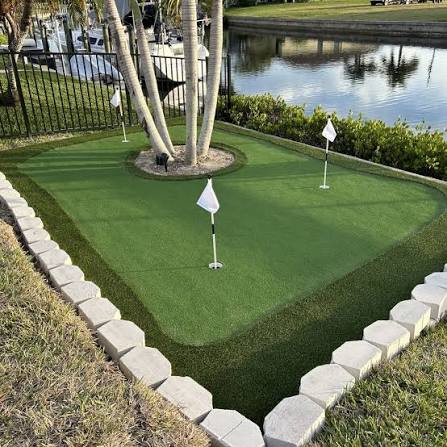
When homeowners and business owners across the Grand Canyon State consider upgrading their landscaping, synthetic grass often emerges as a top contender. The allure of a vibrant, evergreen lawn that requires no mowing, weeding, or excessive watering is hard to resist in a desert climate. However, one burning question consistently stops prospective buyers in their tracks: does artificial turf get too hot in Arizona?
The short answer is yes, artificial turf does get significantly hot under the blazing Arizona sun. During peak summer months, when ambient air temperatures soar well above 100 degrees Fahrenheit, the surface temperature of synthetic grass can climb much higher, sometimes reaching between 140 and 180 degrees Fahrenheit. Understanding why this happens, how it impacts your outdoor space, and what modern cooling solutions are available can help you make an informed decision and enjoy a comfortable, beautiful lawn all year round.
The Science Behind Artificial Turf Heat Retention
To understand why synthetic lawns become so warm, it helps to look at the materials and mechanics involved. Natural grass stays cool through a natural process called evapotranspiration. Roots draw moisture from the soil, and the blades release water vapor into the air, creating a natural cooling effect akin to human sweating.
Artificial turf, by contrast, is manufactured from synthetic polymers such as polyethylene, polypropylene, and nylon. These materials do not have the capacity to retain or evaporate moisture in the same way. Instead, they absorb solar radiation and retain thermal energy. Furthermore, traditional infill materials—typically made of black crumb rubber recycled from tires—tend to absorb and hold onto heat aggressively. When combined with Arizona’s intense solar irradiance, high ambient temperatures, and lack of cloud cover, these factors create an environment where synthetic turf can become uncomfortably hot to the touch.
Why Arizona Climate Amplifies the Issue
Arizona presents a unique climate challenge for synthetic landscaping. With over 300 days of sunshine per year and intense ultraviolet radiation, surfaces are constantly bombarded with direct solar energy. During June, July, and August, afternoon temperatures in cities like Phoenix, Tucson, and Yuma routinely cross the 100-degree mark.
When ambient temperatures are that high, the temperature differential between the air and the turf surface widens dramatically. While natural turf remains relatively comfortable due to underlying soil moisture, unshaded artificial turf can absorb enough heat to make barefoot walking or pet activity impossible during the hottest parts of the day. This heat accumulation can also create a microclimate effect, radiating warmth into adjacent patios, pool decks, and home interiors if placed right against exterior walls.
Innovative Cooling Solutions for Arizona Lawns
Fortunately, the turf industry has made monumental strides in developing advanced materials and installation techniques specifically engineered to combat high temperatures. If you live in Arizona and want the benefits of a synthetic lawn without the extreme heat, several effective cooling solutions are readily available.
1. Advanced Cooling Infills
The type of infill used between the turf blades plays a critical role in temperature regulation. Traditional black crumb rubber absorbs heat and holds it for hours. Modern alternatives, however, offer remarkable temperature reduction:
- Organic Infills: Materials made from processed coconut fibers or cork retain moisture when lightly watered, providing a natural evaporative cooling effect similar to real grass.
- Coated Acrylic and Sand Infills: Specially engineered acrylic-coated sands reflect solar radiation rather than absorbing it, keeping the surface noticeably cooler underfoot.
2. HydroChill and Evaporative Technology
One of the most exciting breakthroughs in synthetic lawn technology is HydroChill. This specialized treatment is applied to the turf backing or incorporated into the infill system. It uses ambient humidity to capture moisture molecules. When the sun heats up the surface, moisture is released through evaporation, lowering the surface temperature by 30 to 50 degrees Fahrenheit compared to standard installations. This keeps the lawn usable and comfortable even on blistering afternoons.
3. Strategic Shading and Landscape Design
Thoughtful architectural and landscape planning can drastically reduce heat buildup. Incorporating pergolas, shade sails, or mature native trees strategically over high-traffic turf zones blocks direct sunlight during peak afternoon hours. Additionally, designing your layout so that synthetic grass is paired with cooling elements like misting systems, water features, or lush desert-adapted perimeter plants can significantly moderate the surrounding microclimate.
4. Choosing Light-Colored and UV-Reflective Yarns
Not all synthetic grass products are manufactured the same way. Manufacturers now produce turf featuring lighter shades of green and innovative infrared-reflective pigments. These advanced polymer formulations reflect a higher percentage of solar radiation instead of trapping it, resulting in lower overall surface temperatures.
Practical Maintenance Tips for Hot Weather
Managing a synthetic lawn in a desert environment involves more than just choosing the right materials. Regular maintenance practices can also help keep surface temperatures manageable during the hottest weeks of the year.
Rinsing your lawn with a hose during the cooler morning hours provides immediate relief. The water not only washes away dust and pet debris but also temporarily cools the synthetic fibers and infill through evaporation. Furthermore, keeping the turf fibers upright through regular power-brushing ensures proper airflow across the surface, preventing heat from becoming densely trapped at the base of the lawn.
Weighing the Pros and Cons for Your Home
When evaluating whether synthetic grass is right for your property, it is essential to balance the thermal considerations against the undeniable benefits. Natural grass in Arizona requires frequent irrigation, expensive watering systems, constant mowing, and chemical fertilizers to survive the harsh desert summer—resources that can become costly and unsustainable.
While does artificial turf get too hot in Arizona? remains a valid concern, the industry innovations designed to mitigate this issue have transformed how synthetic lawns perform in extreme climates. By investing in high-quality heat-reflective yarns, advanced cooling infills like HydroChill, and smart landscape shading, Arizona homeowners can enjoy a lush, green, low-maintenance outdoor living space without sacrificing comfort.