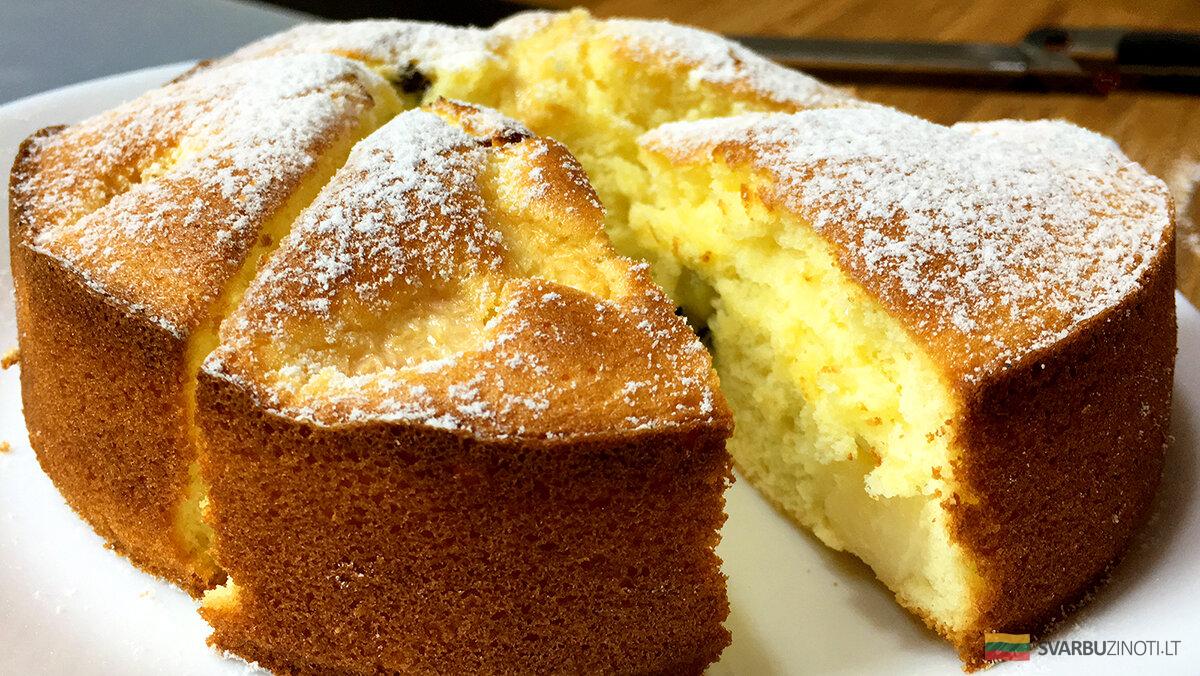
A perfectly baked sponge cake should be light, airy, soft, and beautifully risen. However, many home bakers experience the frustration of watching their sponge rise in the oven only to sink in the middle as it cools. A collapsed cake can look disappointing, develop a dense texture, or become difficult to decorate. Fortunately, understanding the science behind sponge cakes makes it much easier to prevent this common baking problem.
Whether you are preparing a traditional sponge cake, experimenting with European baking techniques, or making a Lithuanian biskvitas, the secret lies in balancing air, moisture, structure, and temperature. With the right ingredients and careful baking methods, you can create a sponge that holds its shape and delivers a consistently soft texture.
Understanding Why Sponge Cakes Collapse
Sponge cakes depend heavily on air trapped inside whipped eggs and, in some recipes, additional leavening agents. During baking, this air expands, helping the batter rise. At the same time, egg proteins coagulate and flour starches gelatinize, creating the structure that supports the cake.
If the cake rises before its structure becomes strong enough to hold the expanding air, it may collapse. The same thing can happen when a cake is removed from the oven too early or exposed to sudden temperature changes.
The goal is not simply to make the batter rise as much as possible. Instead, you need to create a stable structure that can support the cake throughout baking and cooling.
Overbeating or Underbeating the Eggs
Eggs play a crucial role in sponge cake recipes because they provide both air and structure. Beating eggs with sugar helps create a foam that traps tiny air bubbles. These bubbles expand in the oven and contribute to the cake’s light texture.
However, incorrect whipping can cause problems.
Underbeaten eggs may not contain enough air, resulting in a dense cake with limited volume. Overbeaten egg foam, particularly when it becomes dry or unstable, may lose its ability to incorporate ingredients smoothly. Either problem can affect the final structure.
How to Fix Egg Foam Problems
Follow the recipe’s recommended whipping time rather than relying on the clock alone. Whole eggs beaten with sugar should generally become pale, thick, and increased in volume. In recipes that separate the eggs, the whites should form the specified peaks without becoming excessively dry.
When folding flour into the mixture, use a spatula and gentle movements. Cut through the center, sweep along the bottom, and lift the batter over itself. Avoid vigorous stirring, which can destroy the air bubbles you worked hard to create.
Adding Flour Incorrectly
Flour provides the structural foundation of a sponge cake, but adding it carelessly can damage the delicate foam. Dumping a large quantity of flour into the bowl or mixing aggressively may cause the batter to lose significant volume.
Too much flour can also make the cake heavy and dry, while too little may leave it unable to maintain its shape.
The Best Way to Incorporate Flour
Measure ingredients accurately using a kitchen scale whenever possible. Sift the flour before adding it to distribute it evenly and reduce lumps.
Add the flour in small portions, folding gently after each addition. Stop mixing as soon as no obvious dry patches remain. If your recipe includes melted butter, oil, or other liquids, follow the specified incorporation method because adding them incorrectly can deflate the batter.
These techniques are especially important when making biskvitas, where a light, even crumb is often a defining feature.
Opening the Oven Door Too Early
One of the most common reasons a sponge cake collapses is opening the oven door before the cake has developed sufficient structure.
During the early stages of baking, the batter is still delicate. Opening the door allows heat to escape and can cause the internal temperature to drop suddenly. The expanding air may contract before the cake has set, leading to a sunken center.
How to Maintain a Stable Oven Temperature
Preheat your oven fully before placing the cake inside. Use an oven thermometer if you suspect the displayed temperature is inaccurate.
Avoid opening the door during the initial baking period. Check the cake only when it is close to the expected finishing time, unless your recipe specifies otherwise.
Place the cake on the recommended oven rack and avoid moving the pan unnecessarily. A consistent temperature allows the center to cook properly while the outer structure develops.
Removing the Cake Before It Is Fully Baked
A sponge may look golden and risen on the outside while remaining undercooked in the center. This is particularly common with deep cake pans or ovens that heat unevenly.
When the cake is removed too soon, its center lacks the strength to support the expanded air pockets. As the cake cools, those pockets shrink, and the middle sinks.
How to Check for Doneness
Begin checking near the end of the recipe’s suggested baking time. The surface should generally look set and lightly golden, and the center should spring back gently when touched.
A wooden skewer inserted into the center should come out clean or with a few dry crumbs, depending on the recipe. If wet batter clings to it, additional baking is usually necessary.
Avoid relying on color alone. Different ovens, pans, and ingredient combinations can produce different browning patterns.
Using the Wrong Pan Size
The size, material, and shape of your baking pan influence how heat reaches the batter. A pan that is too small may cause the cake to rise excessively before the center finishes baking. A pan that is too large can produce a thin sponge that dries out quickly.
Dark metal pans may heat differently from light-colored metal pans, while glass and silicone can also change baking behavior.
Choose the Right Baking Pan
Use the pan size recommended by your recipe whenever possible. Fill it only to the suggested level, allowing sufficient room for expansion.
Prepare the pan according to the recipe. Some sponge cakes benefit from greased sides, while others rise more effectively when the batter can cling to ungreased sides. Avoid changing the preparation method without understanding how it affects the particular cake.
Incorrect Ingredient Measurements
Baking is a balance of proportions. Too much sugar can delay structural setting, while excess liquid may leave the center weak. Too little flour or insufficient egg structure can also prevent the cake from holding its shape.
Ingredient substitutions may introduce additional problems. Replacing cake flour with a stronger flour, changing the amount of sugar, or adding extra liquid can alter the texture and stability.
For reliable results, measure ingredients carefully and follow the recipe’s proportions. If you want to experiment with substitutions, change one ingredient at a time and record the results.
Cooling Your Sponge Cake Properly
Even a fully baked sponge can collapse if it is cooled incorrectly. Sudden temperature changes may cause the air inside the cake to contract quickly. Handling the cake while it is still fragile can also damage its structure.
Follow the Correct Cooling Method
Once the cake is baked, follow the cooling instructions specified in the recipe. Some sponge cakes should remain in the pan briefly before being transferred to a rack, while others need to cool upside down to preserve their volume.
Do not automatically remove every sponge from its pan immediately. Similarly, avoid leaving a cake in a hot pan for too long if the recipe recommends early removal, because trapped steam can affect the crust and crumb.
Allow adequate cooling before slicing, filling, or frosting. A warm sponge is more delicate and can compress easily under pressure.
Practical Tips for a Perfect Biskvitas
Making a successful biskvitas requires patience, accurate measurements, and attention to technique. Begin with fresh ingredients at the temperatures recommended by your recipe. Ensure your mixing bowl and beaters are clean, especially when whipping egg whites.
Prepare all ingredients before mixing so the batter does not sit unnecessarily. Once the flour has been incorporated, transfer the batter to the pan and place it in the oven promptly.
Avoid adding untested ingredients that could make the mixture heavier. If your recipe uses flavorings, butter, or other additions, incorporate them carefully to preserve the foam.
Most importantly, keep notes about baking temperature, cooking time, pan size, and texture. These details help you identify recurring problems and improve future batches.
Conclusion
A collapsing sponge cake is usually the result of unstable egg foam, incorrect mixing, inaccurate measurements, insufficient baking, or sudden temperature changes. By addressing these factors, you can produce a lighter, stronger, and more reliable cake.
The key is to protect the air incorporated into the batter while allowing enough time for the cake’s internal structure to develop. Careful measuring, gentle folding, a properly heated oven, and appropriate cooling techniques all contribute to success.
Whether you are baking a classic sponge for a celebration or preparing a traditional biskvitas, small improvements in technique can make a significant difference. With practice and patience, you can reduce the risk of collapse and enjoy sponge cakes that rise beautifully, maintain their shape, and deliver the delicate texture every baker hopes to achieve.