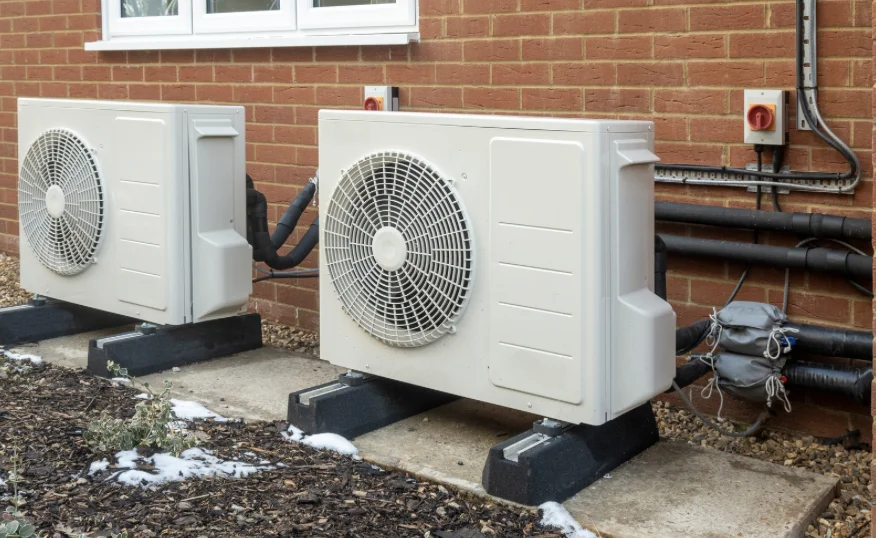
In recent years, propane heat pumps have emerged as a reliable and efficient solution for both heating and cooling homes. As energy costs continue to fluctuate and the demand for sustainable solutions rises, these systems are gaining traction among homeowners and businesses alike. Understanding the science behind propane heat pumps helps in appreciating their efficiency, environmental benefits, and practical applications.
How Propane Heat Pumps Work
Propane heat pumps function similarly to traditional electric heat pumps, with a key difference: they use propane as the energy source instead of electricity. The fundamental principle involves transferring heat rather than generating it directly. This makes them far more energy-efficient than conventional heating systems that rely solely on combustion.
At the core of a propane heat pump is the refrigerant cycle. The system circulates a refrigerant that absorbs heat from one location and releases it in another. During winter, the heat pump extracts heat from the outdoor air—even at low temperatures—and transfers it indoors. In summer, the process reverses, and the heat pump removes heat from the indoor air, expelling it outside to cool the living space.
The Role of Propane in Heat Pumps
Propane acts as the fuel that powers the compressor within the heat pump. The compressor is essential for increasing the pressure and temperature of the refrigerant, enabling efficient heat transfer. Unlike electric-powered compressors, propane-driven compressors provide robust heating capacity even in extremely cold climates, where electric heat pumps might struggle to maintain efficiency.
Additionally, propane is a cleaner-burning fuel compared to many fossil fuels, which means propane heat pumps produce lower greenhouse gas emissions. This characteristic aligns with global trends toward environmentally responsible energy use while still delivering the high performance homeowners expect.
Efficiency and Energy Savings
One of the most significant advantages of propane heat pumps is their energy efficiency. Traditional heating systems convert fuel directly into heat, which inevitably leads to energy loss. In contrast, heat pumps leverage the refrigerant cycle to move heat rather than produce it from scratch, resulting in significantly less energy consumption.
The efficiency of a heat pump is often measured using the Coefficient of Performance (COP), which compares the amount of heat delivered to the energy consumed. Propane heat pumps typically exhibit high COP values, meaning they provide more heat output per unit of fuel than conventional systems. This efficiency translates into lower energy bills and reduced environmental impact, making propane heat pumps a cost-effective and eco-friendly choice for modern homes.
Thermodynamics Behind Heat Transfer
Understanding the thermodynamics of propane heat pumps provides insight into why these systems perform so effectively. The refrigerant absorbs thermal energy from its environment through evaporation, which occurs at low pressure and temperature. When compressed, the refrigerant’s temperature rises, allowing it to release heat at higher temperatures when it condenses.
This heat transfer process is remarkably efficient because it takes advantage of the natural movement of energy, rather than relying on burning large quantities of fuel to generate heat. Propane’s chemical properties ensure the combustion process powering the compressor is highly efficient, minimizing waste and maximizing energy transfer.
Propane Heat Pumps and Cold Climates
A common misconception about heat pumps is that they are ineffective in cold climates. However, propane heat pumps have proven that they can perform exceptionally well even in subzero temperatures. The reason lies in the combination of propane-powered compressors and advanced refrigerants designed for low-temperature operation.
When outdoor temperatures drop, the heat pump continues to extract thermal energy from the air, and the propane-driven system ensures the compressor maintains its performance without consuming excessive fuel. This capability makes propane heat pumps suitable for regions where electric heat pumps might require supplemental heating, offering consistent warmth throughout the winter.
Environmental Considerations
Sustainability is a growing concern in the heating and cooling industry. Propane heat pumps offer several environmental advantages over traditional heating methods. Propane burns cleaner than oil or coal, producing fewer particulate emissions and greenhouse gases. Coupled with the energy efficiency of the heat pump cycle, these systems contribute to a lower carbon footprint for residential and commercial buildings.
Moreover, propane is a widely available fuel, reducing dependence on electricity generated from nonrenewable sources. This aspect is particularly valuable in areas where electricity grids are heavily reliant on fossil fuels, as propane heat pumps can reduce overall environmental impact while maintaining comfort.
Integration with Existing Systems
Propane heat pumps can be seamlessly integrated into existing heating and cooling setups. Many models are designed to work alongside conventional furnaces or air conditioners, providing flexibility during transitional upgrades. Homeowners can install a propane heat pump as a primary system or as a supplemental source, optimizing energy use based on seasonal demands.
Additionally, these systems are compatible with smart thermostats and home automation technology, allowing users to monitor energy consumption, adjust settings remotely, and maximize efficiency. The combination of propane power and modern control systems ensures comfort, convenience, and cost savings.
Maintenance and Longevity
Propane heat pumps require routine maintenance to sustain optimal performance. Regular inspection of the compressor, refrigerant levels, and filters ensures the system operates efficiently and prevents unexpected breakdowns. Compared to traditional heating systems, propane heat pumps often have fewer components subject to wear and tear, which can translate into longer service life.
Proper maintenance not only preserves efficiency but also enhances safety. Since propane is highly flammable, leak detection and proper ventilation are crucial aspects of maintaining a safe system. However, with modern design and rigorous safety standards, propane heat pumps can operate reliably for many years with minimal issues.
Future Prospects of Propane Heat Pumps
The future of propane heat pumps looks promising as technology continues to advance. Researchers are exploring improvements in refrigerants, compressor designs, and hybrid systems that combine propane with renewable energy sources like solar power. Such innovations aim to increase efficiency, reduce emissions further, and make propane heat pumps an even more attractive option for sustainable heating and cooling.
With governments and industries emphasizing carbon reduction, propane heat pumps are positioned as a transitional technology that bridges the gap between traditional fossil-fuel systems and fully renewable solutions. Their ability to deliver reliable heat, even in challenging conditions, ensures they remain a practical choice for a wide range of applications.
Conclusion
Propane heat pumps represent a remarkable convergence of science, efficiency, and environmental consciousness. By leveraging the principles of thermodynamics, the unique properties of propane, and advanced refrigerant cycles, these systems provide reliable heating and cooling with minimal energy waste. Homeowners benefit from reduced energy costs, consistent performance in cold climates, and a smaller carbon footprint.
As technology progresses, propane heat pumps are set to become an increasingly important tool in creating sustainable and energy-efficient living environments. Understanding the science behind these systems not only highlights their technical sophistication but also reinforces their role in shaping the future of home heating and cooling.