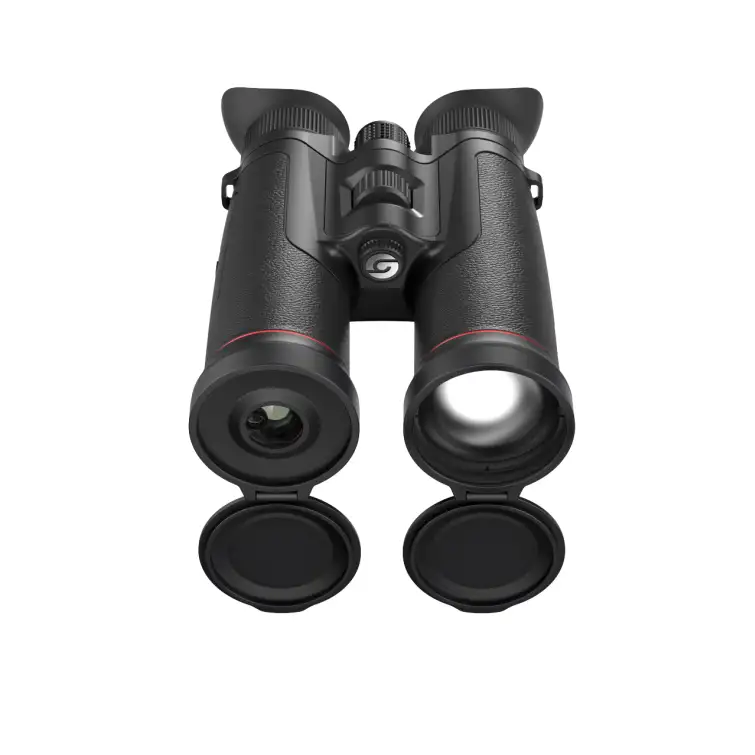
For hunters seeking an edge in the field, thermal hunting binoculars have revolutionized how game is detected, tracked, and observed. These specialized devices provide the ability to see heat signatures from animals in complete darkness or through challenging weather conditions such as fog, smoke, or dense foliage. Unlike traditional binoculars or night vision scopes, thermal hunting binoculars detect infrared radiation, allowing hunters to identify targets based on temperature differences rather than visible light.
Understanding Thermal Hunting Technology
Thermal hunting binoculars work by detecting the infrared heat emitted by objects and living creatures. Every warm object, including humans and animals, emits infrared radiation, which is invisible to the naked eye. The binoculars convert this radiation into a visual image, often displayed in black and white or a range of colors where hotter objects appear brighter. This enables hunters to spot animals at considerable distances, even in total darkness.
Advancements in sensor technology have made thermal hunting binoculars more accessible and reliable than ever. Modern devices offer high-resolution thermal sensors that provide clear, detailed images, helping hunters identify the size, shape, and movement of game with precision. Many models also include digital zoom and image enhancement features, which improve target identification without disturbing the environment.
Advantages of Thermal Hunting Binoculars
One of the primary advantages of thermal hunting binoculars is their ability to detect animals in any lighting condition. This includes predawn or dusk hours when many game animals are most active. Traditional optics are limited in low light, but thermal binoculars provide a clear view based solely on heat signatures.
Another benefit is the capacity to see through visual obstructions. Dense brush, tall grass, or light fog can obscure sightlines for conventional optics, but thermal sensors can detect the heat emitted by animals behind or within these obstacles. This capability allows hunters to track and locate prey with less disturbance, increasing the likelihood of a successful hunt.
Thermal hunting binoculars also enhance safety. They allow hunters to identify animals or humans in the area without relying on ambient light, reducing the risk of accidental encounters or misidentification. This feature is particularly valuable when hunting in regions with shared land or in proximity to other outdoor activities.
Key Features to Consider
When selecting thermal hunting binoculars, several factors should be carefully evaluated. Resolution is one of the most critical aspects. Higher-resolution sensors provide sharper images, making it easier to distinguish between different types of animals or obstacles in the environment. While higher resolution models tend to be more expensive, the investment can significantly enhance tracking accuracy.
Detection range is another important feature. Hunters should consider the typical distances at which they expect to encounter game. Advanced thermal hunting binoculars can detect heat signatures hundreds of meters away, allowing for early spotting and strategic planning.
Ergonomics and weight also play a role, especially for hunters covering large areas on foot. Lightweight, comfortable binoculars reduce fatigue during extended hunting trips. Many modern thermal hunting binoculars are designed with durable, weather-resistant materials to withstand harsh conditions while remaining portable.
Battery life is another critical factor. Extended battery life ensures that hunters can rely on their thermal optics throughout long hunting sessions. Some binoculars offer rechargeable batteries with quick-swap options, ensuring uninterrupted use in the field.
Choosing the Right Model
Selecting the right thermal hunting binoculars depends on the hunter’s specific needs and hunting environment. For dense forests or brush-heavy areas, a device with a high detection range and enhanced contrast settings is ideal. In open fields or plains, binoculars with wide-field viewing and long-range detection capabilities are more suitable.
Additionally, some models come equipped with additional features such as video recording, image capture, and wireless connectivity. These features allow hunters to document their hunts, share footage, and analyze animal behavior over time. While these functions add convenience, they also increase the device’s complexity and cost, so hunters should assess their priorities before investing.
Training and Effective Use
Owning thermal hunting binoculars is only part of the equation; effective use requires practice and understanding. Hunters should spend time familiarizing themselves with their device’s settings, such as color palettes, zoom levels, and sensitivity adjustments. Learning to interpret thermal images accurately is crucial, as animals can sometimes blend with warm backgrounds or appear smaller at long distances.
Environmental factors also affect thermal detection. For example, direct sunlight on rocks or metal objects can create false heat signatures, while cold nights may reduce the contrast between animals and the surrounding environment. Experienced hunters learn to anticipate these challenges, adjusting settings and scanning techniques accordingly.
Ethical Considerations
Thermal hunting binoculars offer unparalleled advantages, but ethical considerations remain essential. Hunters should ensure they maintain a fair chase and avoid using thermal optics to exploit animals in confined or vulnerable situations. Responsible use promotes sustainability and ensures that hunting remains a respected outdoor practice.
Moreover, hunters should be aware of local regulations regarding the use of thermal optics. Some regions may have restrictions on night hunting or thermal device use, and compliance is critical to avoid legal consequences.
Maintenance and Care
Proper care of thermal hunting binoculars prolongs their lifespan and ensures reliable performance. These devices should be stored in protective cases to prevent damage from dust, moisture, and impact. Cleaning lenses with appropriate materials prevents scratches and maintains image clarity. Regularly checking battery health and software updates, if applicable, ensures the device remains operational when needed most.
Conclusion
Thermal hunting binoculars represent a significant advancement in hunting technology. By allowing hunters to detect and track game based on heat signatures, they offer unmatched visibility in challenging conditions and improve overall hunting efficiency. Choosing the right thermal hunting binoculars involves evaluating resolution, detection range, ergonomics, and additional features to match hunting environments and personal preferences.
With proper training, ethical use, and careful maintenance, thermal hunting binoculars become an invaluable tool for serious hunters, enhancing both safety and success in the field. As technology continues to evolve, these devices will undoubtedly remain at the forefront of modern hunting strategies, providing hunters with the confidence and capability to pursue their passion responsibly.
This guide offers a comprehensive overview of thermal hunting binoculars, ensuring hunters understand their technology, advantages, and considerations for selecting the ideal device for any hunting expedition.