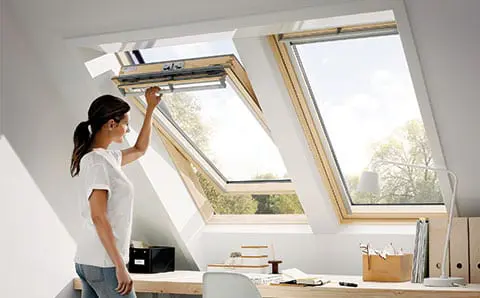
Installing a skylight can transform the atmosphere of your home, bringing in natural light, improving ventilation, and adding a modern touch to any room. If you are considering making this investment, it’s crucial to understand the essentials before you buy skylight options. This guide will cover everything homeowners need to know, from types and benefits to installation considerations and maintenance.
Understanding Skylights
A skylight is a window installed in a roof or ceiling that allows natural light to enter a room. Unlike traditional windows, skylights are designed to bring light directly from above, creating brighter spaces and enhancing the overall aesthetic of your home. When you decide to buy skylight solutions, understanding the different types available is the first step.
Types of Skylights
There are several types of skylights, each with its unique advantages:
- Fixed Skylights: These skylights do not open and are ideal for rooms where you only want additional light without ventilation. Fixed skylights are perfect for living rooms, hallways, and attics.
- Ventilating Skylights: Also known as operable skylights, these can be opened manually or automatically. They are excellent for kitchens, bathrooms, and areas that need fresh air circulation.
- Tubular Skylights: These compact skylights are designed for small spaces or rooms with limited roof access. They capture sunlight and channel it through reflective tubes into the interior.
- Flat Roof Skylights: Specially designed for flat or low-pitch roofs, these skylights provide a modern look while allowing light to enter efficiently.
Knowing the types of skylights available will help you make an informed decision when you buy skylight options.
Benefits of Installing a Skylight
The advantages of adding a skylight to your home go beyond mere aesthetics. Here are some reasons why homeowners choose to install them:
- Natural Light: Skylights flood your rooms with sunlight, reducing the need for artificial lighting during the day. This creates a warmer, more inviting environment.
- Energy Efficiency: Properly installed skylights can reduce energy bills by providing natural lighting and aiding ventilation. Ventilating skylights can help release hot air in summer, reducing reliance on air conditioning.
- Improved Mood and Health: Exposure to natural light has been linked to better mental health, increased productivity, and improved sleep cycles.
- Enhanced Home Value: Skylights add architectural interest and are considered a luxury feature that can increase the resale value of your property.
- Ventilation: Operable skylights allow airflow, which helps prevent condensation, mold growth, and keeps indoor air fresh.
Understanding these benefits will make it easier to evaluate the right type of skylight to buy for your home.
Considerations Before You Buy Skylight
Before purchasing a skylight, there are several important factors to consider:
- Roof Type and Slope: Not all skylights are suitable for every roof type. Flat roof skylights are designed for low-pitch roofs, while traditional skylights work best with sloped roofs. Ensure compatibility before making a purchase.
- Placement: Think carefully about where the skylight will be installed. South-facing skylights provide the most sunlight in northern hemisphere locations, while north-facing skylights offer softer, diffused light.
- Size and Shape: The size of the skylight will impact the amount of natural light entering the room. Larger skylights allow more light but may require structural adjustments.
- Glazing Options: Skylights come with different glazing options, including single, double, or triple glazing. Double and triple glazing offer better insulation and energy efficiency.
- UV Protection and Glare Control: Some skylights include coatings to reduce UV exposure, protect furniture from fading, and minimize glare.
- Building Codes and Permits: Check local regulations before installation. Some areas may require permits or adherence to specific building codes.
By keeping these considerations in mind, homeowners can make a more informed decision when choosing which skylight to buy.
Installation Tips for Homeowners
While some homeowners opt for professional installation, understanding the process can help ensure a successful project. Here’s what to keep in mind:
- Hire Experienced Professionals: A qualified installer ensures the skylight is properly sealed, aligned, and insulated to prevent leaks and drafts.
- Waterproofing: Proper flashing and sealing are essential to prevent water intrusion. Ensure the installer uses high-quality materials compatible with your roof.
- Structural Support: Depending on the size of the skylight, your roof may need additional framing to support the weight and maintain structural integrity.
- Ventilation and Energy Efficiency: Consider operable skylights for areas prone to heat buildup. Choosing energy-efficient glazing can reduce heat loss in winter and limit heat gain in summer.
- Safety Precautions: If you plan on DIY installation, follow safety guidelines rigorously. Working on roofs can be hazardous, so taking precautions or hiring professionals is recommended.
Following these installation tips ensures your skylight provides lasting benefits without causing damage to your home.
Maintenance and Longevity
After you buy skylight, proper maintenance is key to its longevity:
- Regular Cleaning: Clean both interior and exterior surfaces to maximize light entry. Use non-abrasive cleaning materials to avoid scratching the glass.
- Inspect Seals and Flashing: Periodically check for leaks, condensation, or damage to flashing. Prompt repairs prevent water damage and mold.
- Lubricate Moving Parts: For operable skylights, keep hinges, cranks, and other moving parts lubricated to ensure smooth operation.
- Address Condensation: Proper ventilation and insulation help minimize condensation, which can affect both the skylight and the surrounding roof structure.
With regular maintenance, a well-installed skylight can last decades, enhancing your home’s beauty and functionality.
Cost Considerations
The price of skylights varies depending on type, size, material, and installation complexity. When you buy skylight, consider both the initial investment and long-term savings:
- Initial Cost: Fixed skylights are generally less expensive, while ventilating or custom designs cost more.
- Energy Savings: Over time, energy-efficient skylights can reduce heating, cooling, and lighting costs.
- Home Value: While skylights are an upfront investment, they may increase the resale value of your property, making them a financially sound decision in the long run.
Final Thoughts
Investing in a skylight can dramatically improve your home’s lighting, ambiance, and energy efficiency. Understanding the types of skylights, their benefits, installation requirements, and maintenance is crucial before making a purchase. When you buy skylight products from reputable suppliers and ensure proper installation, you can enjoy years of natural light and enhanced home aesthetics. Whether you choose a fixed, ventilating, tubular, or flat roof skylight, this addition is a smart and stylish way to brighten your living space.
A skylight isn’t just a window; it’s an investment in your home’s comfort, beauty, and energy efficiency. Making an informed choice ensures that you reap all the benefits while avoiding common pitfalls.