
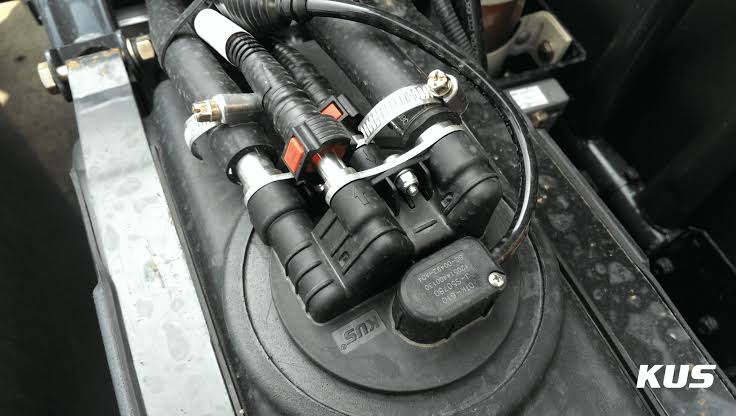
A Def Fluid Sensor is an important component used in modern diesel engine systems to monitor Diesel Exhaust Fluid (DEF), also known as AdBlue in many regions. DEF Def Fluid Sensor is essential for Selective Catalytic Reduction (SCR) systems because it helps reduce harmful nitrogen oxide (NOx) emissions from diesel engines. As emission regulations become stricter, reliable monitoring of DEF quality, temperature, level, and concentration has become increasingly important. A properly functioning sensor helps the vehicle maintain efficient emissions control while supporting reliable engine operation.
What Is a Def Fluid Sensor?
A Def Fluid Sensor is an electronic measuring device installed within or around the DEF tank and delivery system. Its primary purpose is to monitor important characteristics of the fluid and provide accurate information to the vehicle’s electronic control system.
Depending on the sensor design, it may measure DEF level, temperature, concentration, or a combination of these factors. The collected information is transmitted to the engine control unit (ECU), which uses it to determine whether the SCR system is receiving suitable fluid under appropriate operating conditions.
DEF consists mainly of purified water and urea. Maintaining the correct concentration is essential because the SCR system is designed to work with a specific urea concentration. If the fluid becomes contaminated, diluted, frozen, or otherwise unsuitable, the sensor can help identify abnormal conditions.
How Does a Def Fluid Sensor Work?
The operating principle of a Def Fluid Sensor depends on its specific design and the parameters it is intended to measure. Modern sensors often combine several measuring functions into one compact assembly.
A level-sensing element determines how much DEF remains inside the tank. This information allows the vehicle to provide warnings when the fluid level becomes low. Temperature measurement is also important because DEF can freeze at relatively low temperatures. Although freezing does not normally damage DEF permanently, the SCR system needs suitable heating and control strategies to return the fluid to a usable state.
Some advanced sensors also monitor DEF concentration or quality. They may use physical properties of the fluid, such as electrical or ultrasonic characteristics, to determine whether the concentration is within the expected range. The sensor then communicates the information electronically to the vehicle’s control system.
When the ECU receives sensor data, it can adjust SCR operation and alert the driver if a problem is detected. This interaction between the sensor, ECU, DEF pump, injector, and SCR catalyst creates a coordinated emissions-control system.
Main Applications of Def Fluid Sensors
Def Fluid Sensor technology is primarily associated with diesel-powered vehicles and equipment that use SCR emissions-control systems. It has applications across several industries.
Commercial Trucks
Heavy-duty trucks depend on SCR technology to meet emissions requirements. A DEF sensor helps monitor the fluid supply during long-distance transportation. Accurate measurements can prevent unexpected interruptions and help fleet operators maintain their vehicles efficiently.
Buses and Public Transportation
Modern diesel buses often use DEF-based SCR systems to reduce NOx emissions. Sensors provide essential information about DEF availability and operating conditions, helping transportation operators maintain dependable emissions performance.
Agricultural Machinery
Tractors, harvesters, and other agricultural machines increasingly use advanced emission-control technologies. A Def Fluid Sensor can monitor DEF conditions in equipment that operates for long periods and under demanding environmental conditions.
Construction Equipment
Excavators, loaders, bulldozers, and other diesel-powered construction machines may use SCR systems. Sensors help these machines maintain appropriate DEF levels and support consistent emissions-control performance.
Industrial Diesel Engines
Generators and industrial engines can also use SCR technology. In these applications, reliable DEF monitoring helps operators maintain the emissions-control system and avoid problems caused by insufficient or unsuitable fluid.
Key Benefits of Def Fluid Sensors
One of the biggest advantages of a Def Fluid Sensor is improved monitoring accuracy. Instead of relying only on manual inspection, the vehicle can continuously receive information about the DEF system.
Another major benefit is emissions-control support. Because DEF is necessary for the SCR process, accurate monitoring helps ensure that the system has access to the appropriate fluid and can operate effectively.
Sensors can also help reduce maintenance problems. Early detection of low fluid levels, abnormal temperatures, or potential quality issues gives operators an opportunity to address problems before they become more serious.
Fuel and operating efficiency can also benefit indirectly from reliable sensor operation. A well-maintained SCR system allows the engine and emissions-control components to work according to their intended operating strategy.
For commercial fleets, sensor reliability can contribute to improved vehicle uptime. Unexpected DEF-related warnings or system problems can cause operational delays, making dependable monitoring especially valuable for businesses that operate large numbers of diesel vehicles.
Why Sensor Accuracy Matters
Accuracy is particularly important because incorrect sensor readings can affect the way the vehicle responds to DEF conditions. A sensor that incorrectly reports a full tank, low level, unsuitable temperature, or abnormal fluid quality may cause unnecessary warnings or prevent the emissions system from operating as intended.
For this reason, manufacturers focus on sensor durability, resistance to chemicals, temperature stability, and reliable electronic communication. The sensor must function in a demanding environment where vibration, temperature changes, moisture, and exposure to DEF can occur regularly.
Choosing a sensor that matches the vehicle or equipment manufacturer’s specifications is therefore essential. Compatibility ensures that the sensor communicates correctly with the ECU and provides measurements within the required operating range.
Common Def Fluid Sensor Problems
Like other automotive components, DEF sensors can eventually experience faults. Common issues may include inaccurate level readings, temperature measurement errors, wiring problems, communication faults, or contamination-related problems.
A damaged sensor may trigger dashboard warnings or diagnostic trouble codes. In some cases, the vehicle may enter a restricted operating mode if the emissions-control system cannot confirm proper DEF conditions.
Regular maintenance can help reduce the risk of sensor-related problems. Technicians should inspect electrical connections, wiring, tank components, and related DEF system parts when troubleshooting a sensor fault. Following the manufacturer’s diagnostic procedures is important because similar warning symptoms can have different causes.
Choosing the Right Def Fluid Sensor
When selecting a Def Fluid Sensor, compatibility should be the first consideration. The sensor should be designed for the specific vehicle, engine, DEF tank, or equipment application.
Durability is another important factor. A quality sensor should be capable of handling temperature fluctuations, vibration, moisture, and long-term exposure to the operating environment.
Measurement accuracy and communication compatibility are equally important. The sensor should provide dependable readings and communicate correctly with the vehicle’s electronic control system.
It is also useful to consider installation requirements, connector design, manufacturer specifications, and replacement availability. Selecting a suitable sensor can help avoid unnecessary installation difficulties and recurring system faults.
Future of DEF Sensor Technology
As diesel engines continue to evolve, DEF monitoring technology is also becoming more sophisticated. Future sensor systems are likely to provide increasingly precise measurements while becoming more compact, durable, and integrated with vehicle electronics.
Connected vehicle technology may also allow DEF system information to be monitored remotely. Fleet operators could receive alerts about fluid levels or system conditions before vehicles require immediate attention. This approach can support preventive maintenance and improve fleet management.
Conclusion
A Def Fluid Sensor plays a critical role in modern diesel emissions-control systems. By monitoring DEF conditions such as level, temperature, and, in advanced systems, fluid quality, it provides essential information to the vehicle’s electronic control system. Its applications extend from trucks and buses to agricultural machinery, construction equipment, and industrial engines.
Accurate and durable sensors support effective SCR operation, emissions reduction, maintenance planning, and vehicle reliability. As emission standards and diesel technology continue to develop, dependable DEF sensing will remain an important part of efficient and environmentally responsible diesel engine operation.