You’ve eliminated gluten and seed oils. You supplement with probiotics and digestive enzymes. You’ve read every study on the microbiome. Your underwear still contains synthetic dyes, formaldehyde finishing, and phthalate-based elastic.
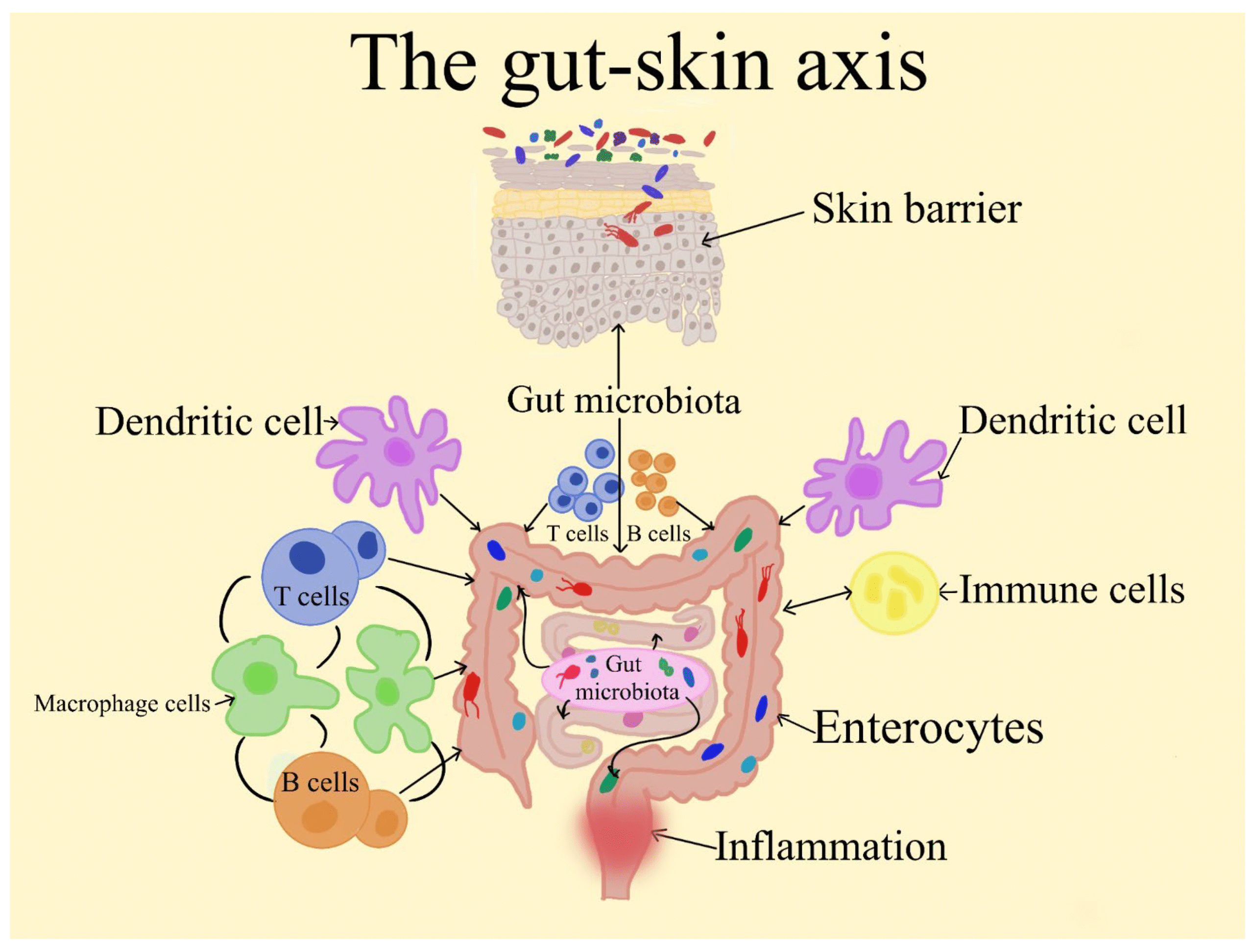
The gut-skin axis is well-established in research. What gets less attention is the skin-gut direction: what your skin absorbs and how it reaches your microbiome.
What Most Microbiome Protocols Leave Out
The gut health optimization framework is detailed and evidence-based. Diet quality, probiotic supplementation, prebiotic fiber intake, fermented foods, and reduced antibiotic exposure all directly affect microbiome composition. The research supporting these interventions is solid.
What the framework underweights is systemic chemical exposure through dermal absorption. Chemicals absorbed through the skin enter the bloodstream and reach the gut in the same way that orally ingested chemicals do — through systemic circulation. The gut tissue and microbiome environment are downstream of the bloodstream, which means they’re downstream of your skin.
Phthalates and BPA from synthetic fabrics have been measured in human blood and urine studies. These compounds have documented effects on gut microbiome diversity in animal models, and emerging human research suggests similar mechanisms. The gut microbiome is sensitive to chemical inputs regardless of the route by which those inputs arrive.
If you’ve removed BPA from your food containers and water bottles, the daily BPA load from synthetic underwear against your skin is working in the opposite direction.
You cannot fully protect your microbiome at the dinner table while ignoring what’s contacting your skin all day.
What Clothing Chemistry Has to Do With Your Gut
The Dermal-Systemic Pathway
Skin is permeable. It absorbs compounds from topical contact and delivers them to systemic circulation. This is the mechanism behind transdermal drug delivery — the same biology works with clothing chemicals. Compounds absorbed through skin from underwear and base layers reach the bloodstream within hours of contact initiation.
Endocrine Disruption and the Gut-Hormone Axis
The gut microbiome is sensitive to hormone signaling. Estrogens, androgens, and the gut microbiome operate in a bidirectional relationship. Endocrine-disrupting compounds from synthetic fabrics — particularly BPA and phthalates — alter hormone signaling, which in turn affects the gut microbiome environment. The connection is indirect but documented.
Antimicrobial Treatments and Microbiome Impact
Many synthetic underwear products include antimicrobial treatments to prevent odor. These treatments aren’t gut-specific — they’re broad-spectrum antimicrobials that absorb through skin and enter systemic circulation. The gut microbiome effects of systemic antimicrobial exposure are well-documented. If you’re taking probiotics to support microbiome diversity while wearing clothing with antimicrobial treatments, you’re working against yourself.
Organic cotton underwear mens and the Clean Skin Interface
GOTS-certified organic cotton contains no synthetic dyes, no formaldehyde finishing, no phthalate-based treatments, and no antimicrobial additives. The absence of these compounds from the highest-contact skin surface eliminates their dermal absorption pathway entirely. This is systems thinking applied to clothing: remove the input rather than trying to counter its effects downstream.
Practical Gut Health Protocol Additions
Add underwear to your toxin audit. Most functional medicine-adjacent gut health protocols include a home toxin audit: checking water filters, food storage containers, cleaning products, and personal care items. Add your underwear to that audit. What does it contain? What certification covers it?
Prioritize the swap before adding more supplements. If you’re spending money on prebiotics and probiotics monthly, the marginal benefit of one more gut supplement is smaller than the benefit of removing a consistent daily chemical input. Protocol economics favor eliminating a negative before adding another positive.
Look specifically for GOTS certification. For the microbiome angle, the critical restriction is on endocrine disruptors and antimicrobials. GOTS prohibits both categories. An organic cotton underwear mens product with GOTS certification closes the dermal chemical loop for the most common gut-disrupting compounds in synthetic underwear.
Apply the same logic to sleepwear. Overnight is when the gut does significant repair and microbiome regulation. Reducing chemical input during sleep hours is particularly relevant for men focused on microbiome quality.
Be skeptical of “natural” without certification. Some underwear labeled natural or organic doesn’t carry third-party certification. The certification is what guarantees the specific prohibited substance list. Without it, the claim is unverifiable.
Why This Is the Logical Next Step
Men who follow microbiome protocols are already applying systems thinking to gut health. They understand that multiple inputs affect a complex biological system. They know that removing inflammatory inputs is as important as adding supportive ones.
The clothing variable fits the same framework exactly. It’s just rarely mentioned in the gut health conversation.
The mechanism connecting synthetic underwear chemicals to gut health is not speculative. Dermal absorption is documented. Systemic chemical exposure affecting gut microbiome is documented. The connection between endocrine disruptors and gut health is documented. The only missing piece was applying this chain of knowledge to what you’re wearing.
Your microbiome protocol is more complete when you close the skin contact loop. Start with the garment that contacts your most sensitive skin surface for the most hours per day.