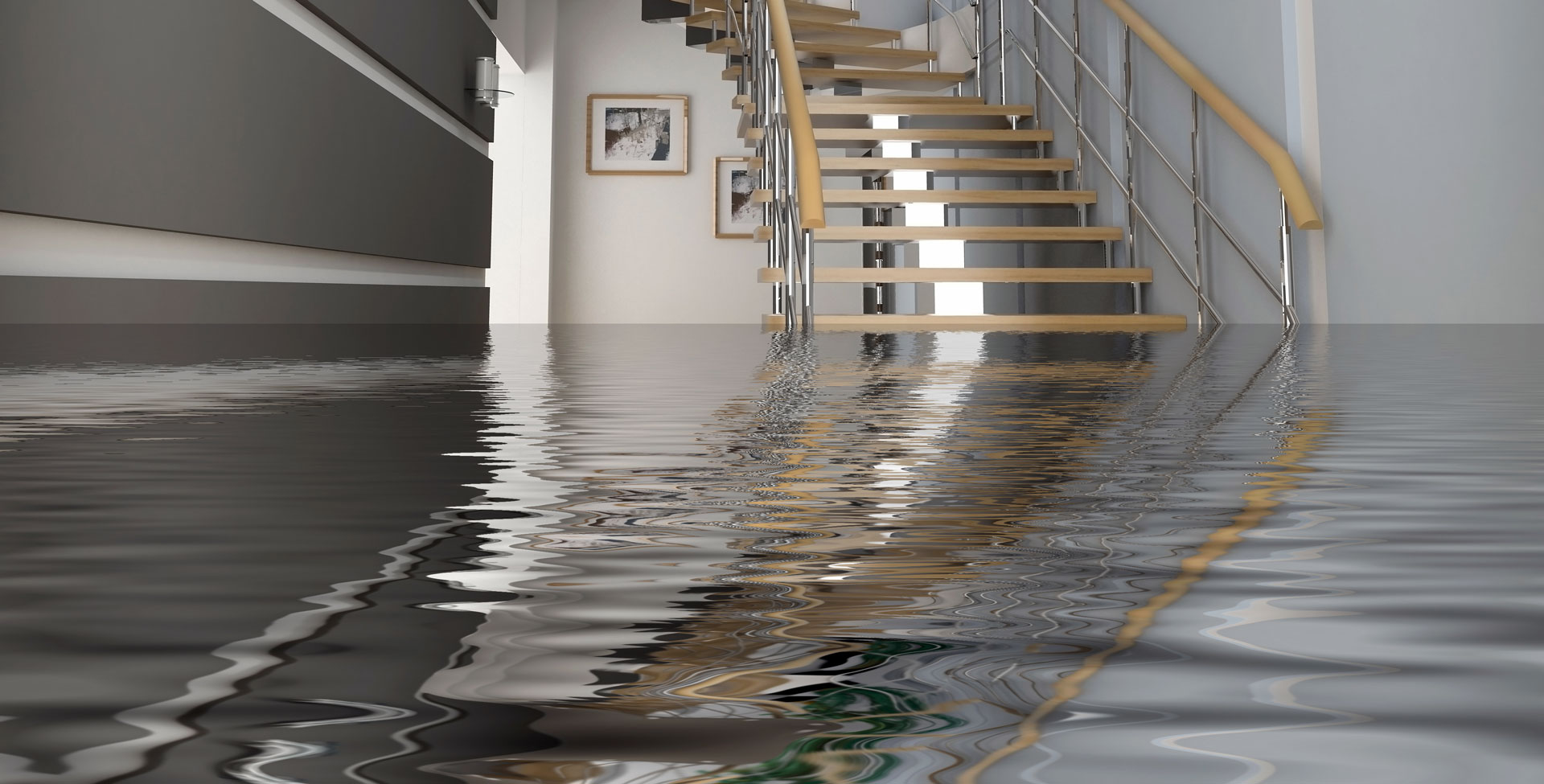
Experiencing a sewage disaster is stressful and overwhelming. Whether due to heavy rains, a sewer backup, or plumbing failure, the aftermath of sewage contamination requires immediate attention. Prompt and professional sewage clean up is crucial to protect your health, your property, and your long-term safety. Understanding what’s involved in sewage clean up and how to handle it effectively can make a significant difference in recovery.
Understanding Sewage Contamination
Sewage contains harmful bacteria, viruses, and pathogens that pose serious health risks. Contact with raw sewage can lead to illnesses such as gastroenteritis, hepatitis, and skin infections. Moreover, sewage can damage building materials, furniture, and personal belongings. The longer it sits, the more severe the contamination becomes. Recognizing the risks emphasizes the need for professional sewage clean up services after a disaster.
Immediate Actions After a Sewage Incident
The first step in any sewage clean up is safety. Avoid direct contact with contaminated water. Wear protective gear such as gloves, boots, and masks if you must enter affected areas. Turn off electricity in areas with water accumulation to prevent electric shock. Keep children and pets away from contaminated zones.
Assess the extent of the damage and identify areas with standing sewage or soaked materials. Quick intervention can prevent the contamination from spreading further and reduce long-term damage to your property.
The Role of Professional Sewage Clean Up Services
While minor incidents may be managed with basic cleaning, large-scale sewage contamination requires professional intervention. Sewage clean up experts have the proper equipment, training, and disinfectants to handle the situation safely. They can remove contaminated water, sanitize affected areas, and dispose of hazardous waste according to local regulations.
Professionals also address hidden dangers such as mold growth. Mold can develop within 24 to 48 hours in wet and contaminated environments. Proper sewage clean up prevents mold proliferation and ensures your home or business remains safe for occupancy.
Steps in a Typical Sewage Clean Up Process
- Assessment and Inspection
Professionals begin by assessing the damage. They inspect floors, walls, and hidden spaces to determine the severity of contamination and the necessary equipment for cleanup. - Water and Sewage Removal
Industrial-grade pumps and vacuums are used to remove standing sewage and water. Quick removal minimizes structural damage and prevents secondary issues like mold and odor. - Sanitization and Disinfection
After removing sewage, the affected areas are thoroughly cleaned and disinfected. Specialized chemicals eliminate bacteria, viruses, and pathogens that can cause long-term health problems. - Drying and Dehumidification
Dehumidifiers and air movers are used to completely dry the space. Proper drying is critical to prevent mold growth and structural deterioration. - Restoration and Repair
Finally, damaged materials such as drywall, insulation, or flooring may need repair or replacement. A comprehensive sewage clean up service ensures that your property is returned to a safe and habitable condition.
Health Risks of Neglecting Sewage Clean Up
Ignoring or delaying sewage clean up can have serious consequences. Prolonged exposure to contaminated water increases the risk of infections and respiratory problems. Mold and mildew can exacerbate allergies and asthma. Structural components such as wooden beams, subfloors, and carpets can deteriorate, resulting in expensive repairs. Proper sewage clean up minimizes these risks and helps maintain a healthy living environment.
Preventive Measures and Future Preparedness
While you cannot always prevent sewage disasters, certain measures can reduce the impact. Regular maintenance of plumbing systems, sewer inspections, and the installation of backflow prevention devices can help. Having a contingency plan for emergencies ensures quick action when contamination occurs.
Educating yourself on what to do during a sewage incident, including who to contact for professional sewage clean up, can make a critical difference. Immediate response and professional support are the most effective ways to minimize damage and protect your health.
Choosing the Right Sewage Clean Up Company
Not all cleaning services are equipped to handle sewage disasters. Look for companies with proper certifications, experience, and equipment to manage hazardous waste. A reliable service provider should offer rapid response, thorough cleanup, and detailed restoration plans. Checking customer reviews and verifying credentials ensures you choose a company capable of addressing both immediate and long-term needs.
Conclusion
Sewage disasters are dangerous, but effective sewage clean up can restore safety and hygiene to your home or business. Immediate action, professional intervention, and proper restoration are essential steps to protect your health, prevent property damage, and avoid costly repairs. Understanding the risks, following safety protocols, and hiring a trusted sewage clean up service ensures that your property recovers fully and safely from contamination. By being proactive and prepared, you can face any sewage emergency with confidence and security.