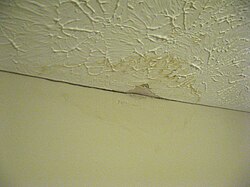
Water damage is one of the most common and costly problems a homeowner can face. Whether caused by a burst pipe, severe weather, or a leaking roof, it can affect your property and personal belongings in a matter of minutes. Knowing how to respond quickly and effectively is crucial to minimize the impact. In this article, we will cover essential water damage tips every homeowner should know to protect their home and health.
Recognize the Signs Early
Early detection is key to reducing water damage. Many homeowners do not realize a problem exists until it becomes severe. Signs to watch for include unusual stains on walls or ceilings, warping floors, a musty odor, or sudden increases in your water bill. Leaks behind walls or under floors may not be visible at first, so regular inspections are essential.
Regular maintenance of plumbing, appliances, and roofing can help prevent water damage before it starts. Inspecting areas such as basements, attics, and crawl spaces is vital, as these are often the first areas affected by leaks. Early recognition allows homeowners to take immediate action, preventing small issues from escalating into costly repairs.
Shut Off Water Sources
When you discover water damage, the first step is to stop the flow of water. Locate the main water shutoff valve and turn it off to prevent further flooding. In the case of a burst pipe, turning off the water supply can save thousands of dollars in repairs and prevent structural damage.
For appliance-related leaks, such as from washing machines or water heaters, turn off the valve directly connected to the appliance. Shutting off water promptly can make a significant difference in reducing the severity of the damage.
Ensure Safety First
Water damage can create hazardous conditions. Before attempting any cleanup, ensure your safety. Electrical outlets and appliances in contact with water can pose a risk of electric shock. If the water level is high or if you suspect contamination, do not enter the affected area without proper protection.
Wear waterproof boots, gloves, and, if necessary, a mask to avoid exposure to harmful bacteria or mold. Turn off electricity in affected areas, and never use electrical devices in standing water. Safety precautions protect you from injury and potential long-term health risks.
Remove Excess Water Quickly
Standing water can rapidly worsen water damage. Use pumps, wet/dry vacuums, or mops to remove excess water as soon as possible. Speed is critical because the longer water remains, the more damage it can cause to floors, walls, and personal belongings.
Focus on areas with heavy pooling first, and be sure to remove water from corners and hidden spaces. Removing excess water quickly also reduces the risk of mold growth, which can begin within 24 to 48 hours of water exposure.
Dry and Dehumidify
After removing standing water, the next step is drying the affected areas thoroughly. Open windows and doors if weather permits, and use fans and dehumidifiers to speed up the drying process. Proper ventilation is essential to prevent moisture from lingering in walls, floors, and furniture.
Pay close attention to areas prone to trapping water, such as under carpets, behind baseboards, and inside cabinets. Professional-grade dehumidifiers can remove moisture more efficiently and help prevent mold and structural damage. Drying may take several days depending on the extent of the water damage.
Salvage What You Can
Not all belongings affected by water damage are lost. Items made of solid wood, metal, or plastic can often be cleaned and restored. Remove wet items from affected areas and dry them individually. For fabrics, photographs, and important documents, act quickly to prevent permanent damage.
Clothes and fabrics should be laundered promptly, while books and papers may require professional restoration services. Electronic devices should not be powered on until thoroughly dried and inspected. Proper handling of salvageable items can save valuable possessions and reduce financial losses.
Clean and Disinfect
Water damage can introduce bacteria, mold, and other contaminants into your home. After removing water, clean and disinfect all affected surfaces. Use appropriate cleaning solutions to remove dirt, debris, and potential pathogens. This step is crucial for preventing health issues related to mold or contaminated water.
Focus on high-risk areas such as kitchens, bathrooms, and basements. Ensure that any cleaning products used are safe for the surfaces being treated. Thorough cleaning and disinfection not only restore your home but also protect your family from potential illness.
Address Mold Growth Immediately
Mold can develop quickly after water damage, sometimes within 24 hours. It poses serious health risks and can cause structural damage if left untreated. Inspect for visible signs of mold, such as discoloration, musty odors, or fuzzy growth on surfaces.
If mold is present, take immediate action. Small areas can be treated with appropriate cleaners, but extensive infestations may require professional remediation. Preventing mold growth is a critical part of addressing water damage and ensuring a safe living environment.
Document Damage for Insurance
If you plan to file a claim with your insurance provider, documentation is essential. Take photographs and videos of the affected areas, as well as any damaged belongings. Keep receipts for any temporary repairs or cleanup services.
Accurate documentation can expedite the claims process and ensure you receive appropriate compensation. Contact your insurance company as soon as possible to report the incident and follow their guidelines for submitting evidence.
Consider Professional Help
While some water damage can be managed independently, severe cases require professional intervention. Restoration specialists have the tools and expertise to handle significant flooding, water extraction, and mold remediation. They can also assess structural damage and ensure your home is safe.
Professional services may include advanced drying equipment, antimicrobial treatments, and comprehensive repairs. Hiring experts can save time, reduce long-term damage, and provide peace of mind during a stressful situation.
Prevent Future Incidents
After addressing immediate water damage, take steps to prevent future problems. Regular maintenance of plumbing systems, roofs, gutters, and appliances can reduce the risk of leaks. Installing water detection alarms or automatic shutoff systems provides early warnings and added protection.
Consider waterproofing basements, sealing cracks in foundations, and ensuring proper drainage around your home. Prevention strategies minimize the likelihood of repeat incidents and protect your investment in your property.
Maintain a Water Damage Emergency Plan
Having a plan in place can make a significant difference in responding effectively to water damage. Identify key contacts, including plumbers, restoration companies, and your insurance provider. Know the location of shutoff valves and emergency supplies.
Educate family members on steps to take during a water-related emergency. Being prepared ensures that you can act quickly, reducing potential damage and stress when the unexpected occurs.
Conclusion
Water damage can strike unexpectedly, leaving homeowners with costly repairs and potential health hazards. Acting quickly, prioritizing safety, and understanding the proper steps for mitigation are crucial. By recognizing early signs, removing excess water, drying and disinfecting affected areas, and preventing mold, you can minimize damage and protect your home.
Maintaining vigilance, having an emergency plan, and investing in preventive measures are the best ways to safeguard your property. Every homeowner should be prepared to respond to water damage effectively, turning a potentially devastating situation into a manageable one.
By following these emergency water damage tips, you can protect your home, preserve your belongings, and ensure the safety of your family. Being informed and prepared is always better than facing the costly aftermath unprepared.