
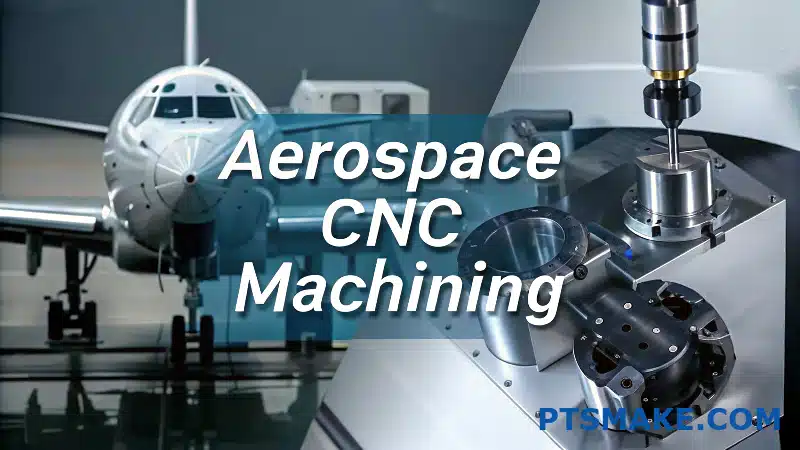
Aerospace and medical machining are among the most demanding areas in modern manufacturing. These industries require tight tolerances, reliable repeatability, excellent surface quality, and strong process control. In many cases, the parts being machined are also made from difficult materials and feature complex geometries that require multi-side access. Under these conditions, workholding is not just a basic support tool. It becomes one of the most important factors in determining whether the machining process is stable enough to meet real production requirements.
Many manufacturers focus first on machine capability, tooling, and programming when trying to improve part quality. Those factors are important, but they cannot solve every problem on their own. If the workpiece is not held securely, positioned consistently, or presented correctly to the cutting tool, the entire process becomes harder to control. This is why better workholding has become such an important priority in high-precision industries.
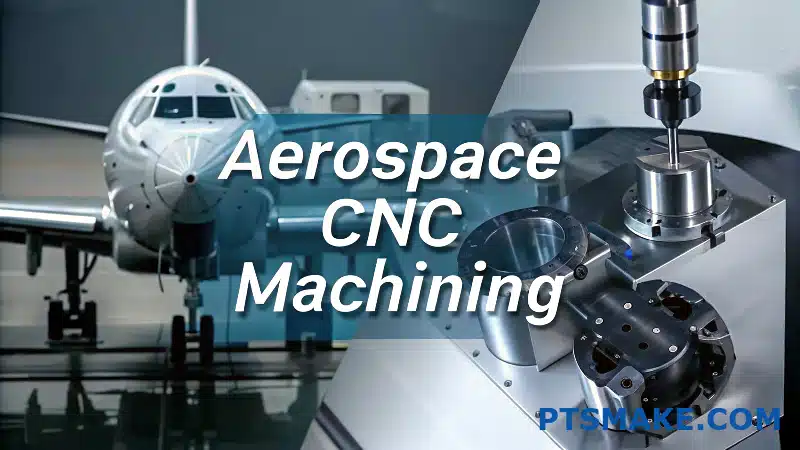
Tight Tolerances Leave Less Room for Setup Error
In aerospace and medical work, tolerance requirements are often too strict to allow even minor setup inconsistency. A small variation in how the part is clamped can affect dimensional accuracy, feature alignment, and finished quality. While the machine may follow the program exactly as intended, the result can still be wrong if the starting position of the workpiece is not stable.
This is one reason repeatability matters so much in high-precision manufacturing. The shop must be able to load the part in a consistent way every time, not just on the first setup. When the vise supports reliable positioning, the process becomes easier to standardize and control. Operators spend less time correcting offsets, rechecking alignment, or compensating for setup variation.
A high-quality cnc vise can therefore do far more than hold the material in place. It helps create a controlled starting condition that supports the tight process discipline these industries demand.
Complex Geometries Require Better Accessibility
Another challenge in aerospace and medical machining is part geometry. Components often include multiple faces, angled features, narrow tolerances between surfaces, and shapes that are difficult to reach with traditional setups. In these situations, workholding must provide more than clamping strength. It must also allow the machine to access the part efficiently.
This is where a dedicated 5 axis vise becomes especially valuable. In multi-axis machining, one of the main goals is to reduce the number of setups by machining more features in a single clamping cycle. But if the vise blocks important areas of the part, that advantage is reduced. The operator may need to remove and reposition the workpiece, which adds time and increases the chance of cumulative error.
A specialized 5-axis workholding solution helps expose more of the part and reduce interference. That makes it easier to use the full capability of the machine, especially when the part includes multiple critical surfaces that must maintain accurate relationships to one another.
Difficult Materials Demand Stable Clamping
Aerospace and medical components are often made from materials that are not especially forgiving during machining. Whether the part is produced from high-strength alloys or other demanding materials, cutting conditions can place significant pressure on the setup. If the workholding system lacks rigidity or consistency, the result may include vibration, movement, poor finish, or tool instability.
Stable clamping is especially important when the part itself is expensive or the machining time is long. In these environments, one setup failure can waste a large amount of material and machine capacity. That is why workholding quality should be judged not only by how strongly it clamps, but also by how well it maintains that stability throughout the machining cycle.
A better cnc vise helps reduce those risks by creating a stronger and more predictable base for the machining process. This gives machinists greater confidence and helps protect both quality and throughput.
Fewer Setups Mean Lower Risk
In industries where precision is critical, every additional setup creates risk. Re-clamping a part introduces another opportunity for misalignment, another chance for operator error, and another point where the accumulated accuracy of the process can be affected. That is why reducing setup count is one of the most practical ways to improve both efficiency and reliability.
A purpose-built 5 axis vise supports this goal by making it easier to complete more machining operations in one setup. When the workpiece can be accessed from multiple directions without repositioning, the process becomes simpler and more stable. This matters a great deal in aerospace and medical work, where multiple critical features may need to stay perfectly aligned to one another.
Reducing setup count also saves labor time, shortens overall process flow, and lowers the chance that a valuable part will be lost to a preventable setup mistake.
Process Consistency Supports Compliance and Quality Systems
Another important factor in aerospace and medical manufacturing is documentation and process consistency. These industries often rely on structured quality systems and demand repeatable production methods. Workholding plays an important role in this because it influences whether the setup can be reproduced with the same results across different shifts, batches, and operators.
A more repeatable cnc vise helps make setup procedures easier to standardize. Instead of depending heavily on individual technique, the process can rely more on the design of the workholding itself. This supports not only daily machining performance but also the broader need for traceability and controlled manufacturing practice.
For shops trying to build stronger quality systems, that kind of stability is extremely valuable.
Better Workholding Protects More Than the Part
In high-value machining, the cost of a poor setup goes beyond scrap. It can also affect machine utilization, delivery performance, inspection time, customer confidence, and overall shop reputation. When a workholding strategy is strong, it protects much more than the workpiece itself. It protects the process.
That is why better workholding should be seen as a strategic investment in demanding industries. It improves the odds of getting the process right the first time and reduces the hidden waste that can occur when setups are unstable or poorly matched to the application.
Conclusion
Aerospace and medical machining place exceptional demands on every part of the production process, and workholding is no exception. Tight tolerances, complex geometries, difficult materials, and strict quality expectations all make setup quality more important than ever.
The right 5 axis vise or cnc vise helps support the repeatability, accessibility, and stability that these industries require. In the end, precision machining in critical industries does not begin only with the machine or the cutting tool. It begins with how well the part is held.